Showing posts with label karnataka. Show all posts

1/17/09

Kambala


Kambala is traditionally a simple sport. Kambala is basically a traditional buffalo race in muddy waters, held from December till March. Starting at noon after prayers and invoking blessings from mother earth, the ‘Arasu’ or Chieftain pours milk onto the fields to symbolically inaugurate the race. It is a test of speed for the specially trained male buffalo pairs and endurance as well as grit for the jockey. The jockey, clad only in a skimpy loin-cloth has to run with the animals or do a balancing act on a wooden plank attached to the whip. Kadri Kambla must have been a great sight in the past. Imagine a valley, stretching from Kadri temple, which runs westwards to slowly widen at Kodialguthu…. Spectacular.

11/21/08

Lavani


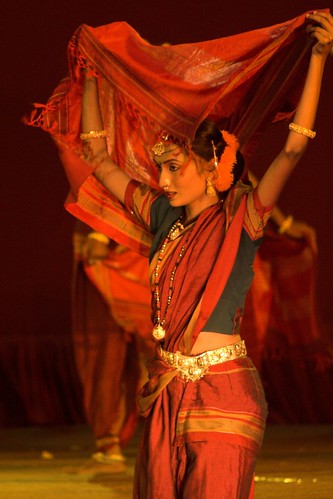
Lavani is a combination of traditional song and dance, which particulary performed to the enchanting beats of 'Dholak', an drum like instrument. This dance is performed by attractive women wearing nine-yard saris. The women gyrate on the pulsating beats of traditional music.

The word Lavani originates from "Lavanya", meaning beauty. Earlier, this art form dealt with different and varied subject matters such as society, religion, politics, romance, etc.
Lavani was used as a form of entertainment and morale booster to the tired soldiers during the 18th and 19th century Maratha battle.

11/20/08

KAMSALE


Kamsale is a unique folk art performed by the devotees of God Mahadeshwara - Lord Shiva. Kamsale is a brass made musical instrument. Its origin is traced to the mythological period. Kamsale is closely connected with a tradition of Shiva worship. The artists who have vowed to live a life of devotion to lord Mahadeswara are supposed to performs Kamsale. The Dance is a part of diksha or oath and is taught by the teacher and spiritual leader.

The Kamsale dance is named after the instrument held in the hands of the dancer. The artists, with the Kamsale in the left hand, expose it to be hit by the Kamsale held in the right hand.The instruments, in the course of the vigorous rhythmic beatings are moved around the body of the dancer in innumerable patterns manifesting both skill and art.

Dollu Kunitha

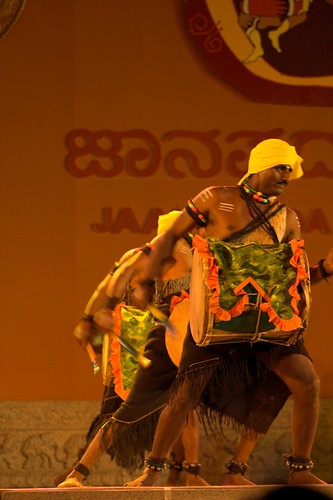
Dollu Kunitha (dance), is a major form of art, occupies the pride of place among folk dances. Dollu Kunitha is a popular drum dance of Karnataka accompanied by singing.

In all temples of Beereshwara, it is a religious practice that the major instrument Dollu be hung in the premises of the temple by means of a thick thread tied up to the hooks fixed in the ceiling. Every time pooja is offered to Beereshwara, the custom demands that there should be an instantaneous beating of the Dollu as an accompanying act of worship. Dollu dance has gone on uninterruptedly generation after generation with renewed vigour and raciness of performance. Hardly any religious performance of a ritualistic ceremony or any village festival can ever take place without this dance, especially in North Karnataka.

Goravara kunita


The ritualistic dances of Karnataka are known as Kunitha. Gorava dance (goravara kunita) a dance of the Shiva cult is popular in North Karnataka regions. The Goravas worship Mylara linga (Shiva), wear the costume of black woolen rug, on shoulder hanging bag made out of skin, some of them wear black coat and white dhoti. In traditional context the Gorava devotees who dance in trance, some time bark like dogs, It is believed that the totem of the Mylaralinga is dog. The dancers foot moves in clock wise and zig zag form. Gorava's wears the yellow powder on his forehead and gives to his believed devotees. Artiste holds instrument like damaru (percussion) sometime holds kolalu (flute) and few artiste wear on shoulder a small bronze bell few followers hold cowbells called paarigante.

Yakshagana


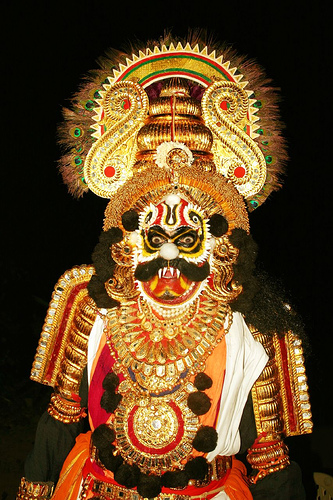
Yakshagana is a dance drama popular in the state of Karnataka. It is believed to have evolved from pre classical music form and theatrical arts. Yakshagana is a traditional theater form combining dance, music, spoken word, costume-makeup, and stage technique with a distinct style and form. The origin of any art form is in a way difficult to fix and the time and process of formation conceived is often arbitrary.